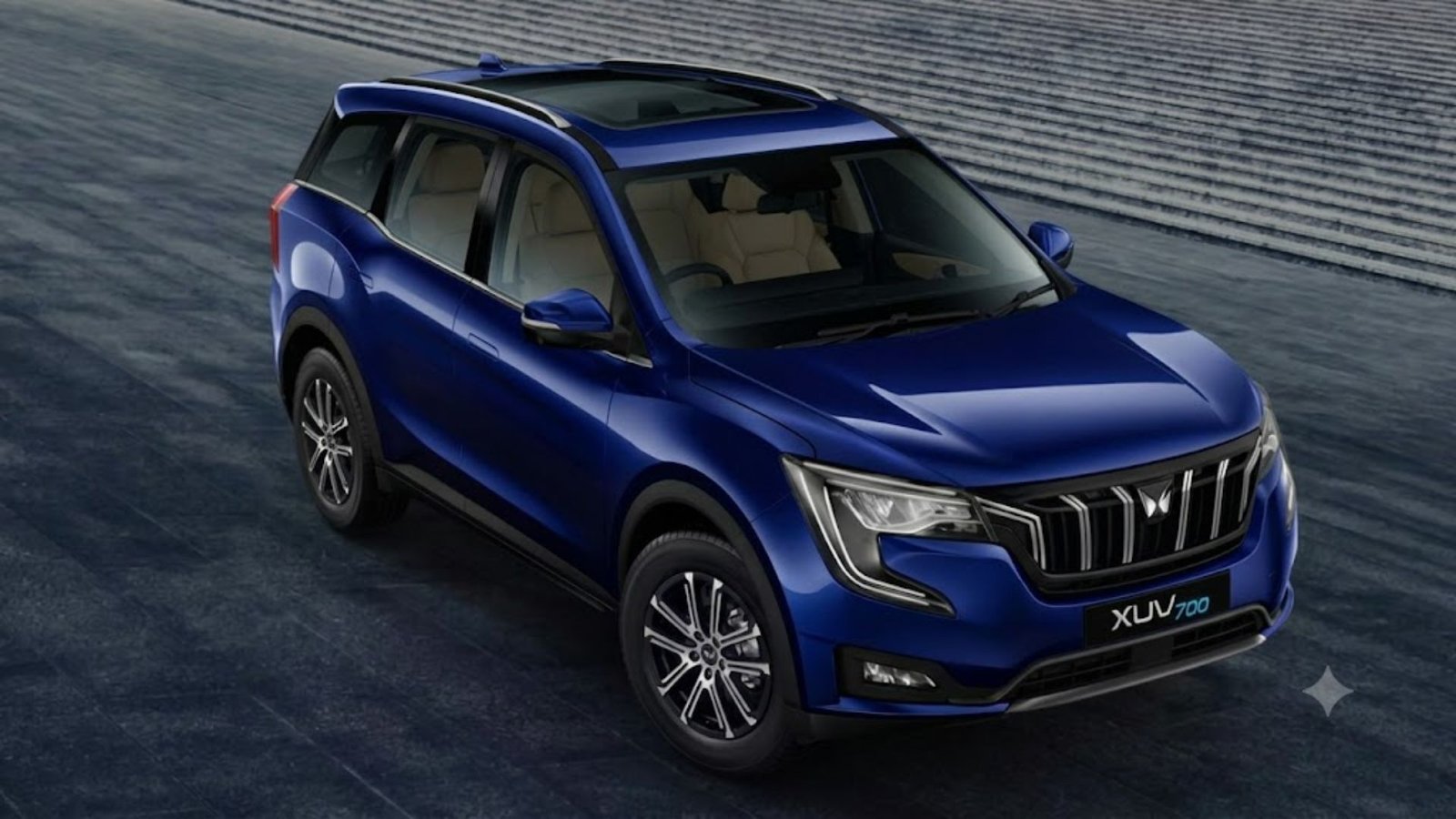
Mahindra XUV700-Few SUVs in recent Indian automotive history have managed to create the kind of buzz the Mahindra XUV700 did when it launched back in August 2021. It wasn’t just another Mahindra SUV — it genuinely felt like a shift in what an Indian carmaker could build. A powerful turbo-petrol engine, a properly loaded cabin, ADAS safety tech at a price nobody expected, and styling that still looks fresh years later. For a large chunk of Indian buyers, the XUV700 became the obvious answer to “which SUV should I buy” in the mid-size segment.
Now, here’s something important before we go any further — if you’re reading this in 2026 and planning to walk into a Mahindra showroom to book a brand-new XUV700, there’s a change you need to know about. Mahindra officially replaced the XUV700 with an updated, renamed version called the XUV 7XO, which made its debut on 5 January 2026. So while the XUV700 nameplate itself has technically been retired for new sales, this article will walk you through everything about the XUV700 — its specs, mileage, real-world performance, and honest pros and cons — while also explaining what’s changed with the newer XUV 7XO, so you know exactly where things stand before making a decision.
Why the XUV700 Still Matters in 2026
Even though it’s no longer sold as a “new” model under its original name, the XUV700 remains hugely relevant for a few solid reasons. First, there are lakhs of XUV700 units already on Indian roads, and used-car buyers continue to search for detailed information before picking one up. Second, since the XUV 7XO is mechanically almost identical to the XUV700 underneath its updated cabin and styling, understanding the XUV700’s specs and real-world behaviour still tells you most of what you need to know about its successor too.
And third, honestly, the XUV700 built such a strong reputation that plenty of buyers are specifically looking for well-kept used units, since they offer nearly the same core experience at a noticeably lower price than a brand-new XUV 7XO.
Mahindra XUV700 Key Details at a Glance
| Detail | Information |
|---|---|
| Current Status | Discontinued as a new model; replaced by Mahindra XUV 7XO (launched 5 Jan 2026) |
| Original Ex-Showroom Price Range | Roughly ₹13.66 lakh – ₹26 lakh (varied by year and variant) |
| Body Type | 6/7-seater mid-size SUV (5-seater variants discontinued earlier) |
| Engine Options | 2.0L turbo-petrol, 2.2L diesel (153 hp and 184 hp diesel tunes) |
| Power Output | Up to 197 hp (petrol), up to 184 hp (higher diesel tune) |
| Transmission | 6-speed manual and 6-speed automatic |
| ARAI Mileage | Around 13–16.5 kmpl depending on variant and fuel type |
| Safety Features | Up to 7 airbags, ADAS Level 2 (on select variants), ESC, 360-degree camera |
| Boot Space | 240 litres (7-seater, third row up) |
| Key Rivals (Then and Now) | Tata Safari, Hyundai Alcazar, MG Hector Plus, Tata Harrier |
If you’re specifically looking at a used XUV700, always verify the exact variant’s spec sheet with the seller, since features and pricing shifted a fair bit across its production years.
A Quick Recap: How the XUV700 Became a Segment Favourite
Mahindra originally developed the XUV700 as what many expected to be the second-generation XUV500, but the company chose to launch it as a standalone new model instead, complete with a new logo reserved for its SUV lineup. That decision paid off. The XUV700 quickly built a reputation for punching well above its price bracket — features like a twin 10.25-inch screen setup, built-in Alexa connectivity, and ADAS-based safety tech were things buyers simply didn’t expect at this price point from an Indian manufacturer at the time.
Over the years, Mahindra kept refining the XUV700 with regular feature updates, eventually discontinuing the more affordable 5-seater variants to focus on the more popular 6 and 7-seater configurations. By the time its mid-life update was due, the XUV700 had already firmly cemented itself as one of the best-selling and most talked-about SUVs in its segment.
What Changed: XUV700 to XUV 7XO
This is genuinely important to understand if you’re deciding between a used XUV700 and a new XUV 7XO. Mechanically, the XUV 7XO is largely the same vehicle underneath — same platform, broadly similar engine options — but Mahindra has made noticeable updates on the outside and a fairly major overhaul on the inside.
On the exterior, the XUV 7XO gets a redesigned grille with sharper detailing, new LED headlamps borrowed stylistically from the Scorpio-N, updated tail lamps, and fresh alloy wheel designs. The overall silhouette remains familiar, so at a glance, the family resemblance is obvious.
Inside is where the bigger changes show up. The XUV 7XO reportedly moves to a triple-screen dashboard layout, adding a dedicated co-passenger entertainment display alongside the touchscreen and digital instrument cluster — something the XUV700 never offered. Other additions include massaging front seats, rear ventilated seats on 6-seater variants, an upgraded Harman Kardon sound system, and a 540-degree camera system, a clear step up from the XUV700’s already-impressive 360-degree camera setup.
In short, if budget allows and you want the latest tech, the XUV 7XO is the way to go. If you’re comfortable with slightly older tech in exchange for meaningful savings, a well-maintained used XUV700 remains a genuinely smart buy.
Engine, Performance and Mileage: The Real-World Picture
The XUV700 was offered with a 2.0-litre turbo-petrol engine producing around 197 hp and 380 Nm of torque, making it one of the most powerful options in its segment at launch. On the diesel side, buyers could choose between a 153 hp tune and a more powerful 184 hp tune of the 2.2-litre diesel engine, both mated to manual or automatic transmissions.
In real-world driving, the petrol engine feels genuinely quick, with strong mid-range punch that makes overtaking on highways almost effortless. It’s the kind of engine that puts a smile on your face during spirited driving, though fuel efficiency naturally takes a hit if you use that power regularly. The diesel, especially in its higher 184 hp tune, offers a nice balance of everyday drivability and highway cruising comfort, with the added benefit of better long-run fuel economy.
ARAI-claimed mileage for the XUV700 ranges roughly between 13 kmpl for the petrol automatic and up to 16.5 kmpl for the diesel manual, depending on the exact variant. Real-world figures, as always, tend to run a notch lower, so it’s sensible to budget slightly below the claimed figures when calculating your running costs.
What It’s Actually Like to Live With
This is where the XUV700 has genuinely impressed a lot of owners over the years. In the city, despite its sizeable footprint, the SUV doesn’t feel intimidating to drive, thanks to a well-judged steering setup and decent all-round visibility. Parking does require a bit more care compared to a compact SUV, but it’s far from a challenge once you’re used to the dimensions.
On the highway, this is genuinely where the XUV700 shines. Strong power delivery, planted high-speed stability, and a suspension setup that manages to soak up bad patches without unsettling passengers make it a comfortable long-distance cruiser. Families that use their SUV for frequent outstation trips have consistently rated the XUV700 highly for exactly this reason.
Cabin space is another strong point, particularly in the 7-seater configuration, though like most SUVs in this segment, the third row is better suited for shorter trips or smaller passengers rather than full-grown adults on long journeys. The second row, on the other hand, offers genuinely generous legroom and comfort.
Safety and Software: A Genuine Strong Point
The Mahindra XUV700 was among the first mass-market Indian SUVs to offer Level 2 ADAS features on select variants, including adaptive cruise control, lane-keep assist, forward collision warning, and automatic emergency braking. Combined with up to 7 airbags and a strong safety rating in independent crash tests, it built a reputation as one of the safer choices in its price bracket.
On the software side, the XUV700 offered a dual 10.25-inch screen setup, wireless Android Auto and Apple CarPlay on higher variants, built-in Amazon Alexa connectivity, and a fairly comprehensive suite of connected car features. It wasn’t the most premium infotainment experience by the time the facelift rolled around, which is exactly why Mahindra chose to give the XUV 7XO a more substantial tech upgrade.
Mahindra XUV700 vs Rivals: How Does It Compare?
Mahindra XUV700 vs Tata Safari
The Safari offers a slightly more premium, boxy road presence and a genuinely comfortable third row, but the XUV700 generally holds an edge in outright performance, particularly with its powerful turbo-petrol engine option.
Mahindra XUV700 vs Hyundai Alcazar
The Alcazar brings a more refined, car-like driving experience and a slightly more premium cabin feel, but it can’t quite match the XUV700’s raw power or its comprehensive ADAS safety suite at a similar price point.
Mahindra XUV700 vs MG Hector Plus
The Hector Plus competes reasonably well on space and features, but the XUV700 has traditionally had the edge in driving dynamics and Mahindra’s growing reputation for reliability and after-sales support.
Mahindra XUV700 vs Tata Harrier
The Harrier offers strong road presence and a genuinely capable diesel engine, but the XUV700’s petrol option and stronger feature list have kept it ahead for buyers who specifically want a turbo-petrol SUV in this segment.
Who Should Consider Buying a Mahindra XUV700 (Used) or XUV 7XO (New)?
- Families who need a spacious, feature-loaded SUV for both city and highway use
- Buyers who specifically want a powerful turbo-petrol engine option in this segment
- Those who prioritise ADAS safety tech without stepping into a significantly higher price bracket
- Buyers comfortable considering a well-maintained used SUV to save on cost, if going the XUV700 route
Who Should Probably Look Elsewhere?
- Buyers who specifically want the absolute latest cabin tech and are unwilling to consider a used vehicle
- Those who need class-leading third-row comfort for regular full-family long-distance trips
- Buyers prioritising fuel efficiency above all else
- Anyone uncomfortable with the idea of buying a discontinued nameplate, even if mechanically similar to its successor
Ownership and Maintenance Cost: What to Expect
Mahindra has made noticeable strides in improving its after-sales reputation over the last several years, and the XUV700 has generally benefited from that shift. Service costs are broadly reasonable for the segment, and with such a large number of units already on Indian roads, parts availability is rarely a concern, even outside major cities.
Resale value for the XUV700 has held up reasonably well, largely thanks to its strong reputation and continued demand in the used-car market. If you’re buying a used unit, it’s worth budgeting for a thorough pre-purchase inspection, particularly checking the ADAS sensors and infotainment functionality.
Honest Pros and Cons
Pros:
- Powerful, genuinely enjoyable turbo-petrol engine option
- Strong safety kit including ADAS on select variants
- Spacious cabin with comfortable second-row seating
- Confident, stable highway performance
- Reasonably good resale value in the used-car market
Cons:
- No longer sold as a new model under the XUV700 name
- Third-row space remains tight for taller adults on long trips
- Real-world mileage is modest, especially with the petrol engine
- Older infotainment setup compared to the newer XUV 7XO
- Used buyers need to be extra careful verifying variant-specific features
Final Verdict: Is the Mahindra XUV700 Still Worth It in 2026?
Here’s the honest, practical take. If you’re specifically hunting for a new SUV from a showroom today, you won’t actually be buying an “XUV700” anymore — you’ll be looking at the XUV 7XO, its direct successor, which builds on everything that made the XUV700 great while adding a genuinely impressive tech upgrade.
However, if you’re open to the used-car route, a well-maintained XUV700 remains a genuinely strong buy. You get almost the same core driving experience, similar safety credentials, and Mahindra’s improving reliability reputation, often at a meaningfully lower price than a brand-new XUV 7XO.
Our advice: if tech and warranty peace of mind matter most to you, go for the new XUV 7XO. If you’re comfortable with a used purchase and want to save some money without giving up much in terms of core driving experience, a well-kept XUV700 is still very much worth considering.
Frequently Asked Questions (FAQs)
Q1. Is the Mahindra XUV700 still available as a new car in India? No, not under its original name. Mahindra officially replaced the XUV700 with the renamed and updated XUV 7XO, launched on 5 January 2026.
Q2. What is the difference between the XUV700 and the XUV 7XO? The XUV 7XO gets a redesigned exterior, a new triple-screen cabin layout, additional comfort features like massaging seats, and an upgraded camera and audio system, while mechanically remaining largely similar to the XUV700 underneath.
Q3. What was the price range of the Mahindra XUV700? Depending on the year and variant, the XUV700 was priced roughly between ₹13.66 lakh and ₹26 lakh (ex-showroom).
Q4. What is the mileage of the Mahindra XUV700? ARAI-claimed mileage ranged from around 13 kmpl for the petrol automatic to up to 16.5 kmpl for the diesel manual, with real-world figures typically running slightly lower.
Q5. Is buying a used Mahindra XUV700 a good idea in 2026? Yes, for budget-conscious buyers, a well-maintained used XUV700 can be a smart choice, offering a similar core experience to the newer XUV 7XO at a lower price. A thorough pre-purchase inspection is recommended.
Q6. Does the Mahindra XUV700 have ADAS safety features? Yes, select higher variants of the XUV700 came equipped with Level 2 ADAS features, including adaptive cruise control, lane-keep assist, and automatic emergency braking.
Q7. What are the main rivals of the Mahindra XUV700? Its key rivals include the Tata Safari, Tata Harrier, Hyundai Alcazar, and MG Hector Plus.