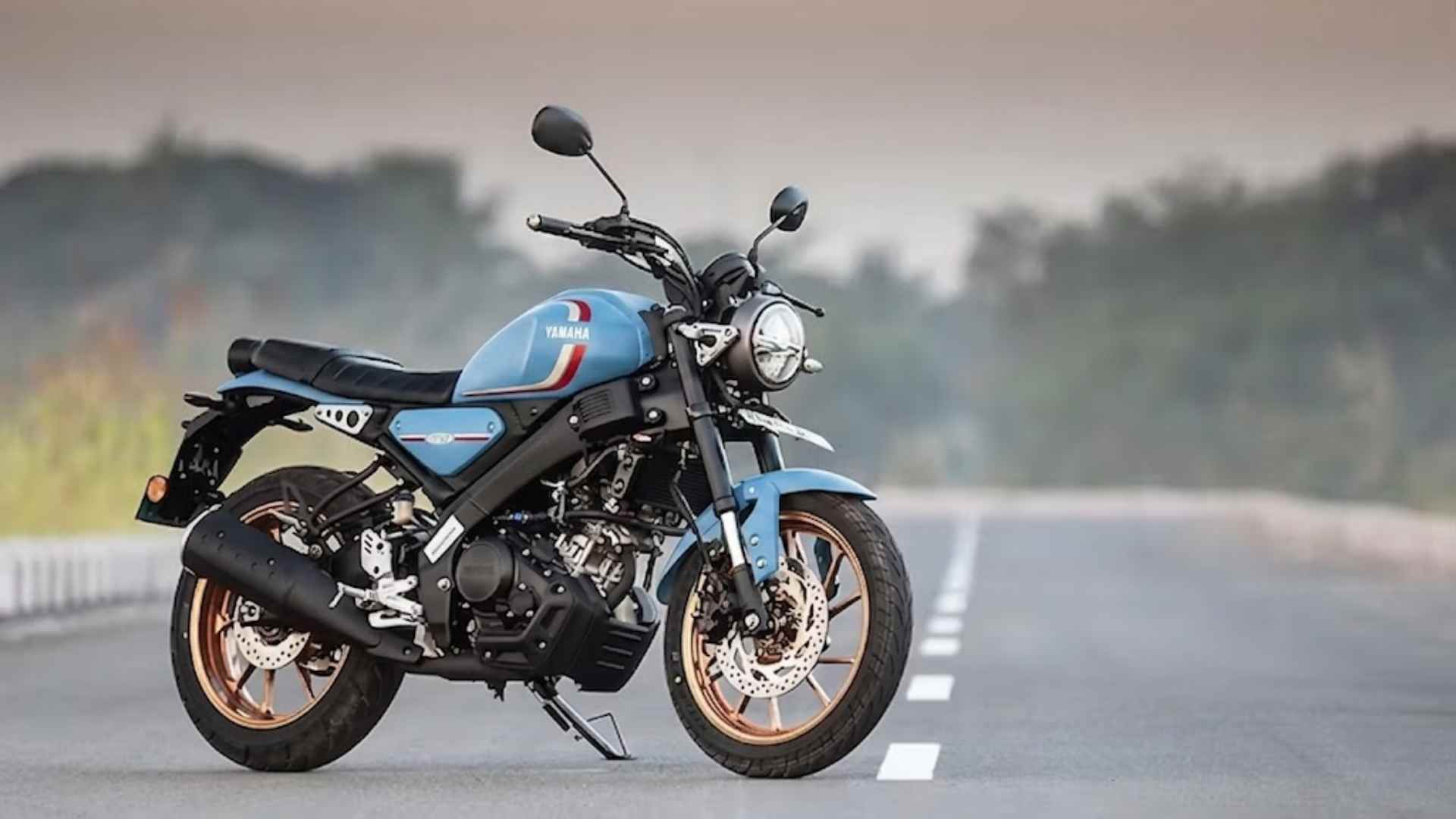
Yamaha XSR The Indian bike market has changed a lot in the last few years. Earlier, most buyers in the 150cc segment wanted only mileage, low maintenance and simple daily-use comfort. But today, many riders want something more. They want a bike that looks premium, feels special, performs well and still remains practical for city use. This is where the Yamaha XSR 155 becomes an interesting motorcycle.
For a long time, Indian buyers were waiting for this bike because the XSR series already had a strong fan base in international markets. The design is retro, but the heart is modern. It does not look like a regular commuter bike, and it also does not look as aggressive as a full sports bike. Instead, it brings a clean old-school roadster design with a sporty Yamaha engine.
The Yamaha XSR 155 is mainly for riders who want style and performance in one package. It is not made for people who only want the cheapest bike or highest mileage. This bike is for young riders, college students, office riders and weekend riders who want a motorcycle that feels premium without entering the heavy 350cc category.
In this detailed buying guide, we will talk about its design, engine, performance, comfort, mileage, features, daily-use experience, expected ownership cost, rivals, hidden drawbacks, pros and cons, and whether it is worth buying in 2026.
Key Details Table
| Details | Yamaha XSR 155 |
|---|---|
| Category | Retro sport bike |
| Engine | 155cc liquid-cooled single-cylinder engine |
| Gearbox | 6-speed manual |
| Power | Around 18 PS range |
| Torque | Around 14 Nm range |
| Cooling | Liquid-cooled |
| Technology | VVA engine technology |
| Clutch | Assist and slipper clutch |
| Safety | Dual-channel ABS, traction control |
| Design Type | Modern retro roadster |
| Fuel Tank | Around 10 litres |
| Mileage | Around 40–48 kmpl expected in real use |
| Best For | Style, daily rides, city fun and weekend use |
| Main Rivals | Yamaha MT-15, TVS Ronin, Royal Enfield Hunter 350, Honda CB350 RS |
| Price Position | Premium 155cc segment |
| Buyer Type | Young riders, professionals and retro-bike lovers |
Design and Build Quality
The biggest highlight of the Yamaha XSR 155 is its design. It carries a retro look, but it does not feel old or outdated. The round headlamp, simple fuel tank design, compact tail section and clean side profile give it a classic motorcycle feel.
Many bikes in this price range try to look very sporty with sharp panels and loud graphics. The XSR takes a different route. It looks simple, but in a stylish way. This is the kind of design that may not feel boring even after many years.
The build quality also feels premium because Yamaha has used a strong platform. The bike gets a sporty frame, premium suspension setup and quality finishing. The fuel tank area looks muscular, while the rear section gives it a compact roadster look.
The Yamaha XSR 155 is not only about retro styling. It also gives a modern feel through LED lighting, digital display and advanced mechanical parts. This mix of old-school looks and modern engineering makes it different from normal 150cc commuter bikes.
However, the design may not be perfect for everyone. If you want a big heavy-looking bike like a cruiser, this may look slightly compact. If you want a fully aggressive streetfighter, the MT-15 may look more exciting. But if you want a clean retro bike with sporty performance, the XSR makes a lot of sense.
Display, Comfort and Road Presence
The bike gets a compact digital display that matches its retro character. It does not look too bulky or too modern. The display gives important information clearly, and the round shape suits the overall design.
Comfort is one of the most important points for Indian buyers. The riding position of the Yamaha XSR 155 is more relaxed than a full sports bike. You do not have to bend too much like on the R15. The handlebar position is practical for city riding, and the seat height should be manageable for many riders.
For daily city use, the riding posture feels comfortable enough. You can use it for office rides, college rides, short trips and evening city rides. It gives a better balance than a very aggressive sports bike.
Road presence is strong because the bike looks different. It does not blend into the crowd like a normal commuter. The round headlamp, premium tank shape and retro styling give it a special identity. People who like minimal and classy bikes will enjoy its look.
Pillion comfort is decent for short rides but not the best for long-distance family use. The seat is more stylish and compact, so buyers who regularly travel with parents or family members should check pillion comfort before buying.
Engine and Performance Details
The Yamaha XSR 155 uses a 155cc liquid-cooled engine, which is already known for its sporty nature. This engine is also used in Yamaha’s popular performance bikes in this segment. It comes with VVA technology, which helps in better power delivery across different speed ranges.
In simple words, this bike may look retro, but it does not ride like an old-school slow bike. It has a smooth and energetic engine. The power delivery is refined, and the bike enjoys being revved. Riders who like sporty performance will enjoy this engine more than regular commuter engines.
The 6-speed gearbox makes the bike better for both city and highway use. In traffic, you can ride smoothly at low speeds. On open roads, the higher gears help the engine feel relaxed. The assist and slipper clutch also adds a premium touch. It makes clutch operation lighter and helps during aggressive downshifts.
This bike is not for riders who want strong low-end thump like a 350cc bike. The Yamaha XSR 155 has a different character. It is smoother, lighter and sportier. It performs best when you ride it actively and enjoy the engine.
Real-Life Performance in Daily Use
In real life, the Yamaha XSR 155 should feel quick and easy to ride. It is not a heavy bike, so handling in city traffic is not difficult. The engine has enough power for quick overtakes, and the gearbox feels smooth.
For office riders, this bike can be practical because it is not too heavy and not too aggressive. You can ride it daily without feeling tired. For students, it offers style and performance without going into a much higher budget category.
In traffic, the bike feels nimble. You can move through gaps easily, and the engine does not feel dull. On flyovers and open city roads, it feels much stronger than basic 125cc or 150cc commuter bikes.
On highways, the Yamaha XSR 155 can maintain decent cruising speeds. It is good for short weekend rides and nearby city trips. However, it is still a 155cc bike, so buyers should not expect big-bike touring comfort. For long highway touring with heavy luggage and pillion, a bigger bike may feel better.
Battery, Mileage, Range and Charging
This is a petrol motorcycle, not an electric bike. So, there is no EV-style range or charging system. The battery is used for starting, lights, display and electrical functions.
Mileage is a very important point for Indian buyers. The Yamaha XSR 155 is expected to deliver around 40–48 kmpl in real-world use, depending on riding style, traffic and maintenance. If you ride gently, mileage can be better. If you ride aggressively and rev the engine hard, mileage will drop.
With a fuel tank of around 10 litres, the practical riding range can be decent for daily use. For city riders, this should be enough for several days of commuting. For weekend rides, you may need to plan fuel stops depending on distance.
Daily running cost will be slightly higher than a basic commuter bike but lower than bigger 250cc or 350cc motorcycles. This makes the XSR a balanced option for riders who want performance but do not want very high fuel expenses.
Features and Technology
The Yamaha XSR 155 is not just a retro-looking bike. It also gets modern features that make it feel premium.
Expected and important features include:
| Feature | Benefit |
|---|---|
| LED headlamp | Better visibility and modern look |
| Digital meter | Clean information display |
| VVA engine | Better performance across rev range |
| 6-speed gearbox | Better city and highway usability |
| Assist and slipper clutch | Smoother gear shifts and safer downshifts |
| Dual-channel ABS | Better braking safety |
| Traction control | Extra confidence on slippery roads |
| USD forks | Premium feel and better front-end stability |
| Lightweight body | Easy city handling |
There is no camera feature because this is a motorcycle, not a smartphone. For bikes, the important things are engine, braking, suspension, lighting, safety and comfort.
Practical Daily-Use Experience
The real test of any bike is not only showroom appeal. The real test is daily use. The Yamaha XSR 155 looks stylish, but it also needs to be practical enough for Indian roads.
For daily commuting, it can be a good choice. The riding position is manageable, the engine is refined, and the bike is light enough for traffic. Parking is also easier compared to heavy retro bikes.
For college students, it has strong appeal. It looks premium, has sporty performance and carries the Yamaha brand image. It can become a style statement without looking too flashy.
For office riders, it offers a good balance. You can ride it daily in traffic and still enjoy weekend rides. It does not feel like a boring commuter bike.
For family use, it is acceptable but not perfect. The pillion seat is not as comfortable as some commuter or cruiser bikes. If you regularly carry a pillion for long distances, you should test ride with a passenger before final decision.
City vs Highway Use
City Use
In the city, the Yamaha XSR 155 feels light, smooth and responsive. The engine gives enough power for quick overtakes, and the riding position is not too aggressive. The clutch is manageable, and the gearbox feels premium.
It is good for daily rides, office travel, college use and short evening rides. The compact size helps in traffic, and the stylish design gives it good road presence.
Highway Use
On highways, the bike can handle short and medium rides comfortably. The 6-speed gearbox helps at higher speeds, and the engine feels refined. However, wind protection is limited because this is a naked retro bike.
For long touring, you may feel the need for a bigger seat, more wind protection and more low-end torque. So, it is good for weekend rides but not the best dedicated touring bike.
Real-Life Ownership Experience
The ownership experience of the Yamaha XSR 155 should be similar to Yamaha’s other 155cc bikes. The engine is proven, refined and performance-focused. If serviced on time, it should remain reliable for long-term use.
Yamaha’s service network is available in many Indian cities and towns, which helps in ownership. Regular service, oil change, chain cleaning, tyre pressure check and timely maintenance will keep the bike healthy.
However, because it is a premium 155cc bike, maintenance cost can be higher than a basic commuter. Parts like tyres, brake pads, clutch parts and body panels may cost more than entry-level bikes.
This bike is best for owners who take care of their motorcycle. If you ignore service and ride roughly all the time, maintenance cost may increase.
Expected Maintenance Cost
The Yamaha XSR 155 is not a very cheap bike to maintain like a 100cc commuter, but it is not extremely expensive either. It sits in the premium 155cc category.
| Expense Type | Expected Cost Level |
|---|---|
| Regular service | Moderate |
| Engine oil | Moderate |
| Chain maintenance | Regular attention needed |
| Tyres | Costlier than commuter bikes |
| Brake pads | Moderate |
| Insurance | Higher than basic bikes |
| Body parts | Slightly premium pricing |
For normal daily riders, yearly maintenance should remain manageable. But aggressive riders may spend more on tyres, chain set and brake pads.
Daily Running Cost
Let’s understand daily running cost in simple words. If the bike gives around 45 kmpl and petrol costs around ₹100 per litre, the running cost will be around ₹2.20 per km.
If you ride 30 km daily, your petrol cost may be around ₹65–₹75 per day. Monthly fuel cost can be around ₹2,000 depending on usage.
This is reasonable for a performance-oriented 155cc bike. But if your only priority is saving money, a basic commuter bike will be cheaper to run.
Common Problems Buyers Should Think About
The Yamaha XSR 155 is a good bike, but no bike is perfect. Buyers should keep these points in mind.
1. Pillion Comfort
The pillion seat may not be very comfortable for long rides. Family buyers should check this carefully.
2. Premium Price
This is not a budget 150cc bike. You are paying for design, engine, brand and premium hardware.
3. Not a Pure Mileage Bike
Mileage is decent, but not as high as commuter-focused bikes.
4. Sporty Engine Nature
The engine feels best when revved. Riders who want slow relaxed riding with heavy torque may prefer a bigger retro bike.
5. Limited Wind Protection
For long highway rides, windblast can be felt because it is a naked bike.
Hidden Pros and Cons
Hidden Pros
One hidden advantage of the Yamaha XSR 155 is its timeless design. Many sporty bikes start looking old after a few years, but retro bikes usually age better.
Another advantage is easy handling. It looks premium, but it is not heavy like bigger retro bikes. This makes it suitable for city riders.
The third advantage is engine reliability. Yamaha’s 155cc engine platform is already popular and trusted among performance-bike buyers.
Hidden Cons
The first hidden drawback is that accessories may become tempting. Many buyers may spend extra money on customization.
The second drawback is pillion practicality. It looks stylish, but family comfort may not be its strongest point.
The third drawback is price comparison. At this budget, some buyers may also look at 250cc or 350cc bikes, even if those bikes have different characters.
Price and Value-for-Money Opinion
The Yamaha XSR 155 is not the cheapest 155cc bike, but it offers a premium package. You get retro design, sporty engine, modern safety features and Yamaha brand value.
Value-for-money depends on what you want. If you only want mileage and low cost, this bike may feel expensive. But if you want a stylish bike with strong performance and good safety features, it can feel worth the money.
The XSR is more of a lifestyle motorcycle. You buy it not only for transport but also for the feeling it gives. That is why its value is different from a normal commuter bike.
Best Variant to Choose
If multiple colours and versions are available, the best choice depends on your taste. Mechanically, the bike is expected to offer similar performance across variants.
For most buyers, choosing a colour that has strong resale appeal is better. Metallic Black, Metallic Grey and Blue-type shades usually attract more buyers in the used market.
If Yamaha offers accessory packs, choose only useful accessories. Do not spend too much on cosmetic parts unless you really want a custom look.
Resale Value
The Yamaha XSR 155 should have decent resale value because of Yamaha’s brand image and the popularity of the 155cc engine platform. Retro-style bikes also have a loyal audience.
However, resale value will depend on condition, service history, kilometres used and demand in your city. A well-maintained XSR with original parts will get better resale than a heavily modified one.
If you plan to keep the bike for 4–6 years, resale should not be a major concern. But if you change bikes quickly, choose a popular colour and keep service records properly.
What Buyers May Regret Later
Some buyers may buy the Yamaha XSR 155 only for looks and later feel that pillion comfort is limited. Bike Others may compare it with cheaper bikes and feel the price is high.
A few riders may also expect big-bike torque, but the XSR is still a 155cc performance bike. It is smooth and sporty, not a heavy cruiser.
The smartest approach is simple: buy it if you want a stylish, lightweight, sporty retro bike. Do not buy it expecting it to behave like a 350cc retro motorcycle.
Comparison With Rivals
| Bike | Main Strength | Main Weakness |
|---|---|---|
| Yamaha XSR 155 | Retro design with sporty engine | Premium pricing |
| Yamaha MT-15 | Sharp styling and sporty feel | Less retro appeal |
| TVS Ronin | Comfortable and practical | Less sporty engine character |
| Royal Enfield Hunter 350 | Bigger bike feel and torque | Heavier and lower mileage |
| Honda CB350 RS | Premium big-bike feel | Higher price and heavier body |
Yamaha XSR 155 vs Yamaha MT-15
The MT-15 is sharper and more aggressive. The XSR is more retro and classy. If you want streetfighter styling, MT-15 is better. If you want timeless design, XSR is better.
Yamaha XSR 155 vs TVS Ronin
TVS Ronin is more relaxed and practical for comfort. The XSR feels sportier and lighter. Ronin may suit family riders better, while XSR suits young performance-focused riders.
Yamaha XSR 155 vs Royal Enfield Hunter 350
Hunter 350 gives a bigger bike feel and stronger low-end torque. The XSR is lighter, smoother and more fuel-efficient. If you want thump and weight, choose Hunter. If you want sporty handling and refinement, choose XSR.
Yamaha XSR 155 vs Honda CB350 RS
Honda CB350 RS feels more premium and mature, but it is also heavier and costlier. The XSR is easier for daily city use and better for riders who want lightweight fun.
Who Should Buy Yamaha XSR 155?
You should consider the Yamaha XSR 155 if:
- You want a stylish retro bike
- You like Yamaha’s 155cc engine
- You want a bike for daily use and weekend rides
- You prefer lightweight handling
- You want modern safety features
- You are a student or young professional
- You do not want a heavy 350cc bike
- You want a bike that looks different from regular commuters
Who Should Avoid Yamaha XSR 155?
You should avoid it if:
- You want the cheapest commuter bike
- You need maximum mileage
- You regularly ride with pillion on long routes
- You want heavy cruiser-style torque
- You prefer very soft suspension
- You want a big fuel tank for long touring
- You do not want premium maintenance cost
- You only need a simple family bike
Honest Pros and Cons
Pros
- Stylish retro design
- Sporty 155cc engine
- Smooth 6-speed gearbox
- VVA technology
- Dual-channel ABS
- Traction control
- Lightweight handling
- Premium road presence
- Good for city and weekend rides
- Yamaha brand reliability
Cons
- Price is premium
- Pillion comfort is limited
- Not the best mileage bike
- Wind protection is low
- Not ideal for long touring
- Maintenance is higher than basic commuters
- Small fuel tank may bother touring riders
- Not suitable for riders wanting heavy-bike feel
Final Verdict
The Yamaha XSR 155 is a very interesting motorcycle for Indian buyers who want something stylish, sporty and practical. It brings retro design with modern Yamaha performance, and that combination makes it different from regular commuter bikes.
It is not a bike for everyone. If your main need is low price, high mileage and family comfort, there are better options. But if you want a bike that looks premium, rides smoothly and feels exciting without becoming too heavy, the XSR makes a strong case.
For students and young professionals, it can be a great lifestyle bike. For office riders, it can work as a stylish daily commuter. For weekend riders, it offers enough fun for short rides. The engine is refined, the design is classy and the safety features make it more confidence-inspiring.
The only thing buyers should remember is that the Yamaha XSR 155 is not a budget commuter. It is a premium 155cc retro sport bike. Buy it for style, performance and riding feel. Do not buy it only for mileage or family practicality.
Overall, the Yamaha XSR 155 is a strong option for riders who want retro looks with sporty performance in a lightweight package.
FAQs
1. Is Yamaha XSR 155 good for daily use?
Yes, the Yamaha XSR 155 is good for daily use because it is lightweight, refined and easy to handle in city traffic.
2. What is the mileage of Yamaha XSR 155?
The real-world mileage can be around 40–48 kmpl depending on riding style, road conditions and maintenance.
3. Is Yamaha XSR 155 good for long rides?
It is good for short and medium weekend rides, but for very long touring, bigger bikes with better wind protection may be more comfortable.
4. Is Yamaha XSR 155 better than MT-15?
Both bikes share a sporty character, but the XSR has retro styling while the MT-15 has aggressive streetfighter styling.
5. Is Yamaha XSR 155 suitable for students?
Yes, it can be a good bike for students who want style, performance and brand value, but the price is premium.
6. Does Yamaha XSR 155 have ABS?
Yes, the bike gets important safety features like ABS, and it is expected to offer better braking confidence than basic bikes.
7. Is Yamaha XSR 155 good for family use?
It can be used for short family rides, but pillion comfort is not its strongest point. A test ride with pillion is recommended.
8. Is Yamaha XSR 155 worth buying in 2026?
Yes, it is worth buying if you want a stylish retro bike with sporty performance and modern features.
9. What are the main rivals of Yamaha XSR 155?
Its main rivals include Yamaha MT-15, TVS Ronin, Royal Enfield Hunter 350 and Honda CB350 RS.
10. Who should avoid Yamaha XSR 155?
Buyers who want very high mileage, low price, heavy cruiser feel or best pillion comfort should avoid it.